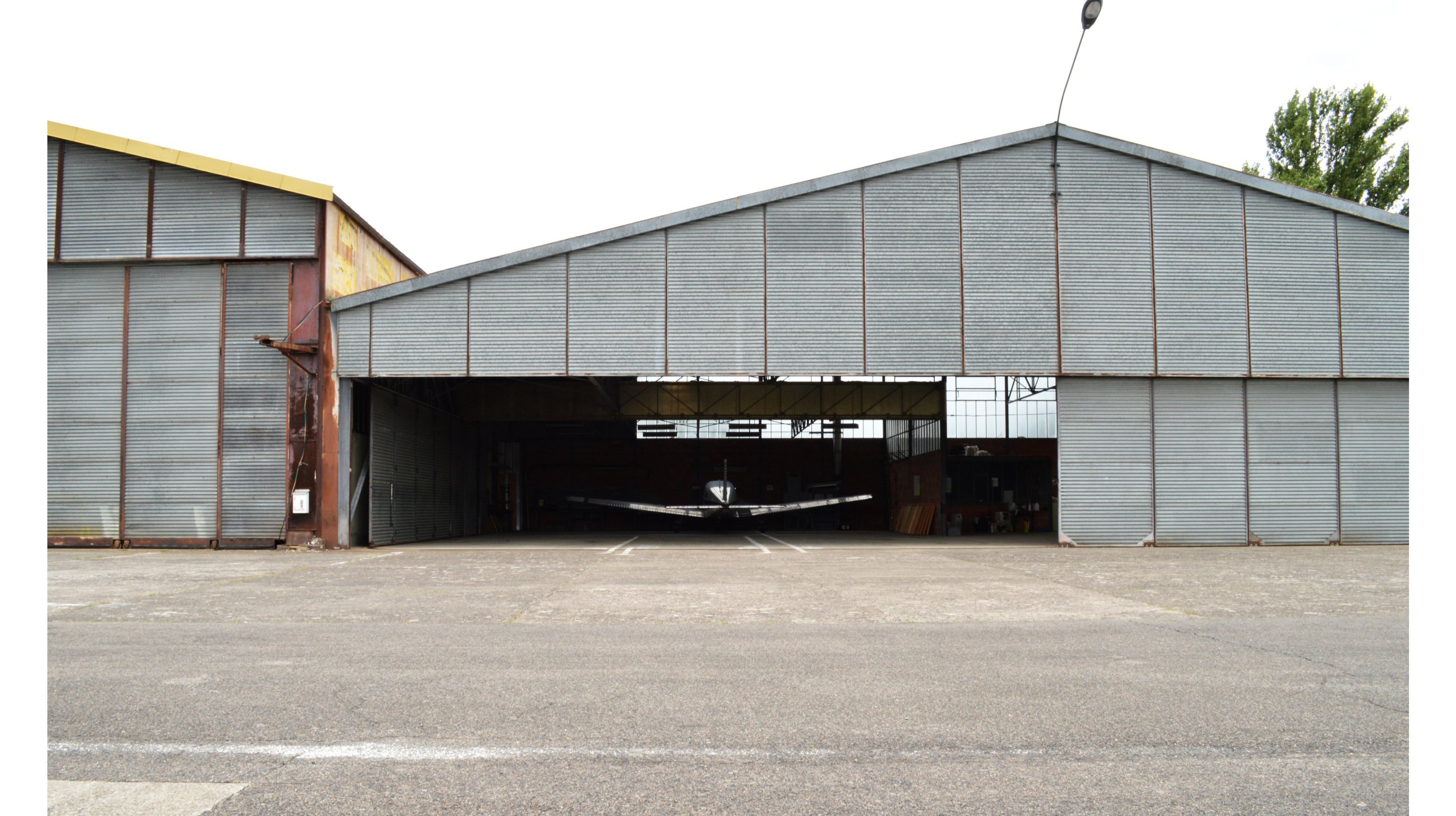
Your plane is in annual. You're on vacation. You flew out this morning and won't be back until Sunday. Right now, your hangar is sitting idle — and there's a pilot 50 miles away who would happily pay to park indoors, whether for a few hours during a weather divert or for the night.
Most hangar owners use their space 80% of the time — maybe less. The other 20%? It sits empty. Your plane is at the shop for annual. You're traveling. You flew somewhere for the weekend. Whatever the reason, that's money left on the table.
Quick Hangar lets you flip a switch and make your hangar available to transient pilots whenever you're not using it. You set the price, you control the schedule, and you get paid automatically. At the worst, nothing changes. At the best, you cover your monthly rent — or better.
Zero cost, zero risk. It's free to list your hangar on Quick Hangar. There's no subscription, no setup cost, no contract. You only pay a 7.5% owner fee when someone actually books — and only on completed bookings. If nobody books, you pay nothing. Ever.
Add photos, dimensions, amenities, and location. Set your daily rate — you choose the price. Short stays are pro-rated automatically (daily ÷ 24) so a 3-hour booking earns a fair share without you having to manage it. Most owners list between $50 and $150/day, depending on size and extras.
Connect via Stripe Express Connect — the same payment infrastructure used by Lyft, DoorDash, and Instacart — so you can receive payments. The short onboarding verifies your identity and links your bank account; it takes about 5 minutes. This also confirms your listing is real — Quick Hangar doesn't allow fake hangars. You can list before linking, but you can't flip your listing to "available" until banking is set up. Your banking info is held by Stripe, not Quick Hangar.
Green = available. Red = occupied. One tap. When you leave town, flip it green. When you come home, flip it red. The change is instant and updates the live map in real time — no delay.
When a pilot books, payment flows directly to your bank account via Stripe Express Connect. Quick Hangar takes 7.5% — you keep 92.5%. (FBO operators keep 100% — the 7.5% owner fee is waived.) You might wake up to find out someone stayed in your hangar overnight, and you've earned $92.50 on a $100 booking. For doing nothing.

Your plane is in annual, you're on vacation, you're at a fly-in — your hangar is empty. Quick Hangar puts it to work.
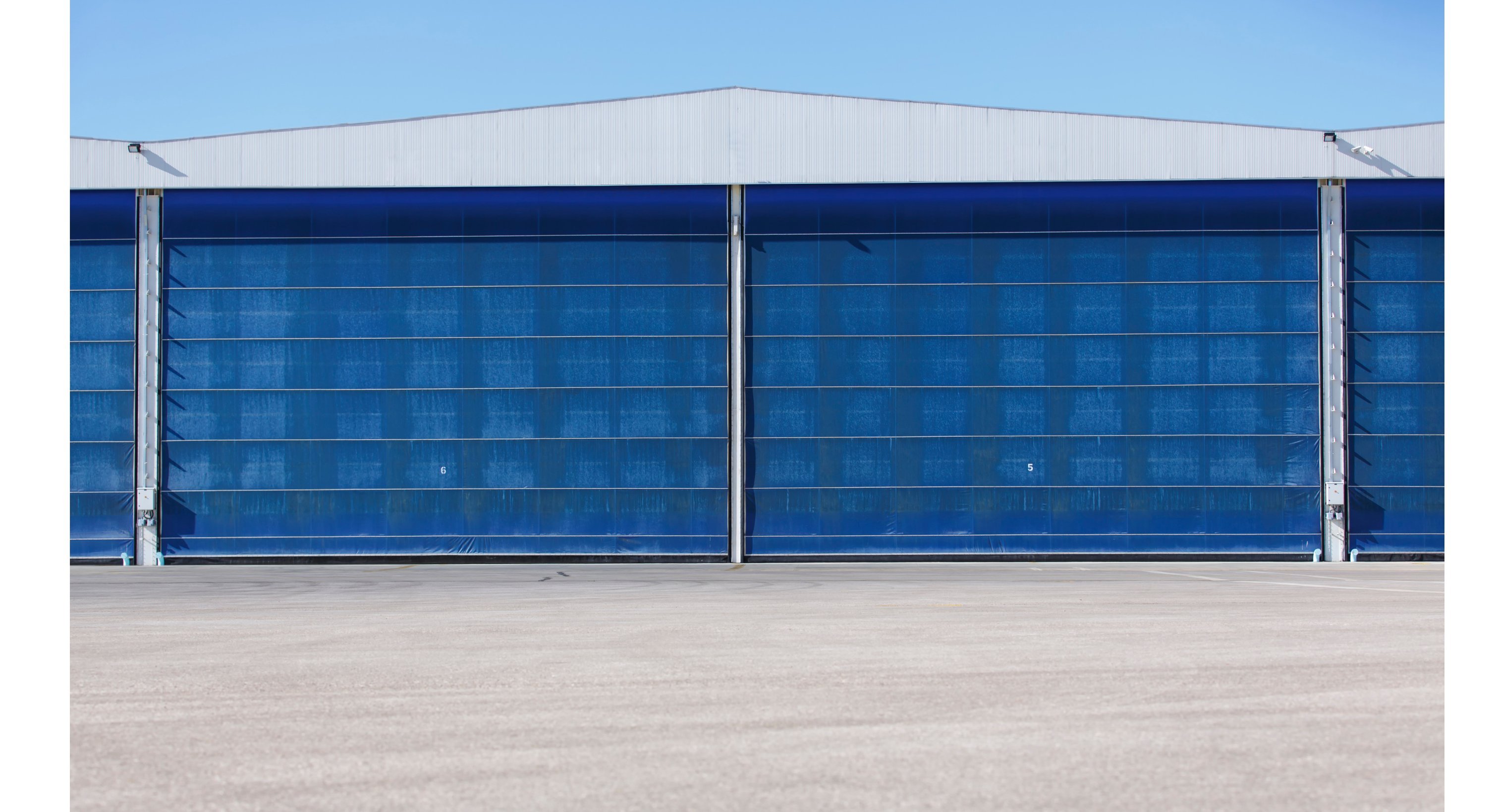
The math is simple. You set the daily rate, and Quick Hangar takes 7.5% from each booking (waived if you're an FBO). Here's what different scenarios look like:
| Scenario | Daily Rate | Days/Month | Gross | After 7.5% Owner Fee |
|---|---|---|---|---|
| Casual (plane in annual) | $80 | 3 | $240 | $222 |
| Weekend warrior | $80 | 8 | $640 | $592 |
| Active listing | $100 | 10 | $1,000 | $925 |
| Tourist area / high demand | $120 | 15 | $1,800 | $1,665 |
| Full-time rental (no based aircraft) | $100 | 20 | $2,000 | $1,850 |
The "annual inspection" scenario: Your plane is in the shop for 3 weeks. At $80/day and just 10 bookings during that time, you'd earn $740 — enough to cover a month of hangar rent at most airports. Your hangar was going to be empty anyway.
Some owners on the platform have hangars with extras — a bathroom, a small crash pad, a kitchenette. These hangars command $120–$150/day and are essentially a mini FBO for visiting pilots. The demand is there, especially in tourist-heavy markets like Florida and Southern California.
Note on short stays: Quick Hangar pro-rates short bookings at the hourly equivalent of your daily rate (daily ÷ 24). So a 4-hour weather divert at an $80/day listing earns roughly $13.33 — partial revenue you wouldn't otherwise capture.
The 7.5% owner fee is waived for FBOs. No listing fee. No owner fee. The pilot still pays Quick Hangar a 7.5% service fee plus standard Stripe processing fees on their side — but you receive 100% of your listed daily rate. This isn't a promotion, it's the permanent model.
If you're an FBO with transient hangar space, Quick Hangar replaces the manual process you're already doing — phone calls, text messages, staff coordination — with automated, real-time booking and keyless access. Your team doesn't need to be involved at all unless you want them to be.
Pilots book and access hangars entirely through the app. No phone calls to answer, no codes to text, no line crew needed for hangar operations.
You set the price. You get the full amount. The 7.5% owner fee is waived for FBOs; the pilot pays a service fee on their side. Your revenue is untouched.
Toggle availability so pilots see exactly what's open. No false positives, no disappointed customers showing up to a full hangar. Accuracy builds trust.
If you have hangar space sitting empty between based tenants, Quick Hangar turns idle inventory into transient revenue without any operational burden.
One model emerging on the platform: a regional airport listing a row of 20 T-hangars on Quick Hangar all at once. The strategy — keep 18 for based tenants at break-even rates, and reserve 2 for transient traffic at premium daily rates. If the two transient hangars book even 15 days per month at $100/day, that's $3,000/month in additional revenue — enough to turn the entire row from break-even to profitable.
This is the economic model Quick Hangar is proving: new hangar construction can pencil out when transient revenue supplements base tenant income. And it all starts with listing existing space.
This is the most common concern hangar owners have — and it's a legitimate one. Let's break it down clearly.
Most airport leases prohibit subleasing — meaning you can't rent your hangar to another person on a long-term basis and essentially transfer your tenancy. That's not what Quick Hangar is.
Quick Hangar facilitates short-term, transient use — bookings by the hour, by the day, or for multi-day stays by visiting pilots. You retain your lease, you retain your spot, and you control when the hangar is available. It's the difference between subletting your apartment and having a friend crash on your couch for the weekend.
The best approach is transparency. Talk to your airport manager. Explain the model: short-term use when your hangar is empty, with Master Lock smart-lock access control, verified users, and an insurance product in development. Most airport authorities are supportive once they understand it — especially because it means more transient traffic, more fuel sales, and more activity at their airport.
Quick Hangar can help you navigate this conversation, including template language you can use to discuss the arrangement with your airport authority.
The airport manager perspective: More transient pilots means more fuel sales, more visitors to local businesses, and more tax revenue. Quick Hangar has sent introduction cards to 3,100 airport managers across the United States — so your airport manager may already be familiar with the platform.
Quick Hangar is developing a dedicated insurance product through an insurance partnership. The product is modeled on Turo's car-sharing insurance, adapted for hangar rentals. It is not yet live, but it's a core part of the platform's roadmap — more information to follow.
A hangar is a steel structure with a concrete floor. Unlike an Airbnb (someone sleeping in your bed) or Turo (someone driving your car), a visiting pilot is extremely unlikely to damage a metal building.
If a pilot damages the hangar, they're far more likely to damage their own aircraft in the process. Their incentive to be careful is their $85,000 Piper or $200,000 Bonanza sitting inside.
Your current hangar insurance covers the structure. The visiting pilot carries their own aircraft insurance. The insurance product in development is intended to add a purpose-built layer on top of both once it launches.
Every Quick Hangar user is phone-verified, email-verified, and has a linked payment method. No bots, no fake accounts, no anonymous access.
No. Listing is completely free, and it stays free. For individual owners and primary tenants, Quick Hangar takes a 7.5% owner fee only when someone books. For FBOs, that fee is waived — you keep 100% of the booking revenue.
Under 5 minutes. Add photos, dimensions, amenities, and your daily rate. Link a bank account via Stripe Express Connect so you can get paid (also under 5 minutes). That's it. You can upload your hangar before linking a bank account, but bank setup must be complete before you can flip the listing to "available."
You set a daily rate, and Quick Hangar automatically pro-rates short stays at the hourly equivalent (daily ÷ 24). So if a pilot books for 3 hours during a weather divert, you earn roughly 3/24 of your daily rate (minus the 7.5% owner fee) without having to manage the math yourself.
Pilots can reserve hangars up to months in advance with a 10% non-refundable deposit; the remaining 90% is automatically charged 2 days before arrival. Advance reservations require a 3-day minimum lead time. You get notifications at every stage, so you're never caught off guard.
Absolutely. The app has a real-time toggle — green for available, red for occupied. You control it with one tap. No one can book your hangar unless you've explicitly made it available.
That's perfectly fine. There's no minimum usage requirement. If your plane is in annual for 3 weeks, toggle it available for those 3 weeks and toggle it back when your plane returns. Even a few bookings can cover a month of rent.
Quick Hangar sells compatible Master Lock smart locks through their shop. Installation is straightforward — the lock replaces your existing padlock or hasp lock. Once installed, visiting pilots get automatic access at the start of their reservation (Bluetooth from their phone) and access is revoked at checkout. You can still open it with your own phone or a backup key anytime. Smart locks are optional — hangars without them use in-app chat to coordinate access.
Quick Hangar has mailed introduction cards to 3,100 airport managers across the United States. If yours hasn't seen it yet, share the app with them — most managers are supportive once they understand that transient traffic means more fuel sales and more activity at their field.
Yes. Banking information goes directly to Stripe (PCI-DSS Level 1 certified — the highest industry standard) and Quick Hangar never sees or stores it. Sensitive documents like pilot certificates and ID are encrypted with AES-256 at rest. Your financial details on your account page sit behind a "View Details" toggle so they're never visible at a glance. HTTPS everywhere, hardened sessions, CSRF protection on every form.
Every booking has a "Report a Problem" option. Both parties get contact info at confirmation so issues can be resolved directly when possible. Real-time in-app chat with notifications keeps you in touch with the pilot, and Quick Hangar's support team monitors disputes and can intervene when needed. Reservations have clear status tracking — pending, confirmed, cancelled, or completed.
Yes — and some owners are doing exactly that. If you own a hangar at a tourist-heavy airport, you can list it exclusively for transient use. This is part of Quick Hangar's Phase 2 vision: making new hangar construction economically viable by combining base tenant income with transient revenue.
Payments are processed through Stripe Express Connect — the same payment infrastructure used by Lyft, DoorDash, and Instacart — and deposited directly into your linked bank account. Quick Hangar uses a pass-through model: they never hold your money. Funds transfer after each completed booking.
It's free to list, free to cancel, and you stay in full control. Your empty hangar is leaving money on the table.
When the app asks "Do you have a referral code?" during sign-up, enter SKYFARER. New hangar listers who sign up with the code may be eligible for an exclusive sign-up bonus once their hangar has been live for a short qualifying period.
SKYFARER